
How Much Does a Pressure Washing Trailer Really Cost?
February 27, 2026
Investing in a pressure washing trailer is an important step for any contractor. The right setup affects how efficiently you can work, what types of jobs you can take on, and how quickly your business can grow. Understanding the full cost of ownership—both upfront and long term—makes it easier to choose a trailer that fits your needs today and supports your business as it expands. This guide breaks down Mud Dog’s pricing, the factors that influence cost, and what you should expect to spend on operation and maintenance throughout the life of the trailer.
Understanding Typical Trailer Price Ranges
Across the industry, professional trailer-mounted systems typically fall into the low five-figure range, especially when hot water, higher GPM, or larger tank capacities are involved. Mud Dog’s lineup follows this pattern, offering options for new operators, growing businesses, and high-demand commercial work.
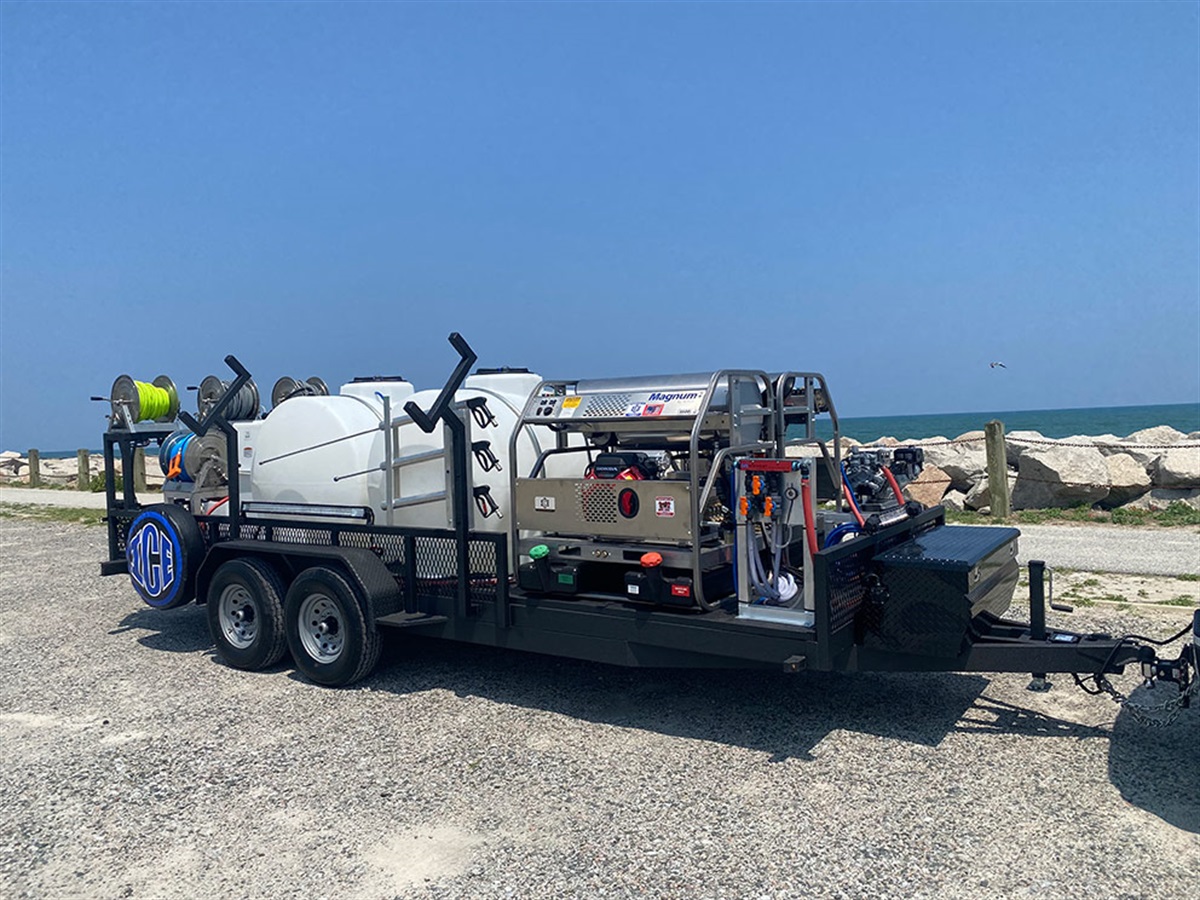
The Mud Puppy begins around $14,995 and includes a 225-gallon tank, single-axle trailer, and a full hot-water pressure washing system designed for most residential and light commercial jobs. Mid-range units such as the Mud Dog Trailer and the 8GPM Super Mud Dog typically range between $18,995 and $19,995 and offer larger water capacity, tandem axles, and greater runtime for regular commercial work.
For contractors who need additional capabilities, models like the Bulletproof Mud Dog or the Diesel Dog are priced around $27,995 and introduce soft wash systems or diesel-fired components for specialized work. At the highest end, The Beast starts near $54,995 and is built for heavy commercial and industrial use, supporting multiple operators, higher water volume, and extended runtime.
You can review all specifications on the Mud Dog Trailers page, which outlines GPM, PSI, tank sizes, and available upgrades for every model.
What Influences Trailer Cost
Several core features influence the cost of a pressure washing trailer. Cleaning power is one of the most significant—higher GPM systems allow contractors to clean faster or run two operators at once. Hot-water capability also adds value, as it is necessary for removing grease, oil, and heavy buildup that cold-water units can’t address effectively.
Water tank capacity plays a major role as well. Smaller tanks are suitable for short residential jobs, but larger 525-gallon or 1,000-gallon configurations reduce the need for refills and support higher-output machines. For contractors who want a deeper understanding of water requirements, Mud Dog’s guide on how much water a pressure washer uses offers helpful insight.
Specialized systems contribute to cost as well. Soft wash equipment, included in models like the Bulletproof Mud Dog, is essential for cleaning roofs, siding, and other delicate surfaces. Contractors working in regulated areas may require wastewater recovery. Mud Dog’s reclaim trailer option supports this requirement and ensures compliance where drainage restrictions apply. For help understanding how these components fit into a complete setup, the article on what equipment you need to start a pressure washing business offers a clear overview.
Ongoing Operating and Maintenance Costs
The cost of ownership extends beyond the price of the trailer. Fuel is often the largest recurring expense, especially for hot-water systems that require fuel for both the engine and burner. Contractors who work long days or use high-flow systems should account for steady fuel usage when budgeting and pricing jobs.
Routine maintenance is equally important. Engines and pumps require scheduled oil changes and filter replacements, while burners need periodic cleaning and new nozzles to maintain performance. Hoses, nozzles, guns, and swivels naturally wear over time. Including these replacements in your operating budget helps prevent downtime and keeps daily operations efficient. Mud Dog’s article on must-have accessories for pressure washing businesses provides additional guidance on selecting durable components that extend equipment life.
Chemical use contributes to ongoing costs as well. Soft washing requires bleach and detergents, while concrete cleaning or heavy equipment washing may call for degreasers or specialty cleaners. Insurance, trailer registration, and liability coverage should also be factored into annual operating expenses to protect both the equipment and the business.
Choosing the Trailer That Fits Your Business
The best trailer for your budget depends on the services you offer, the volume of work you expect, and your long-term goals. Smaller residential operations may not need the capacity of larger rigs, while commercial or municipal contractors often benefit from investing in higher-tier models from the start.
Financing options are available and can help distribute the investment over time, allowing you to choose a trailer that supports future growth rather than limiting your capabilities early on.
A pressure washing trailer is more than a piece of equipment—it is a platform for business expansion. Understanding the full scope of ownership costs and selecting a model that aligns with your services ensures you can operate efficiently, take on larger projects, and deliver consistent results. Mud Dog’s full lineup is available for comparison, and the team can help guide you toward a setup that matches your goals.