

How to Price Pressure Washing Jobs for Maximum Profit
April 23, 2026
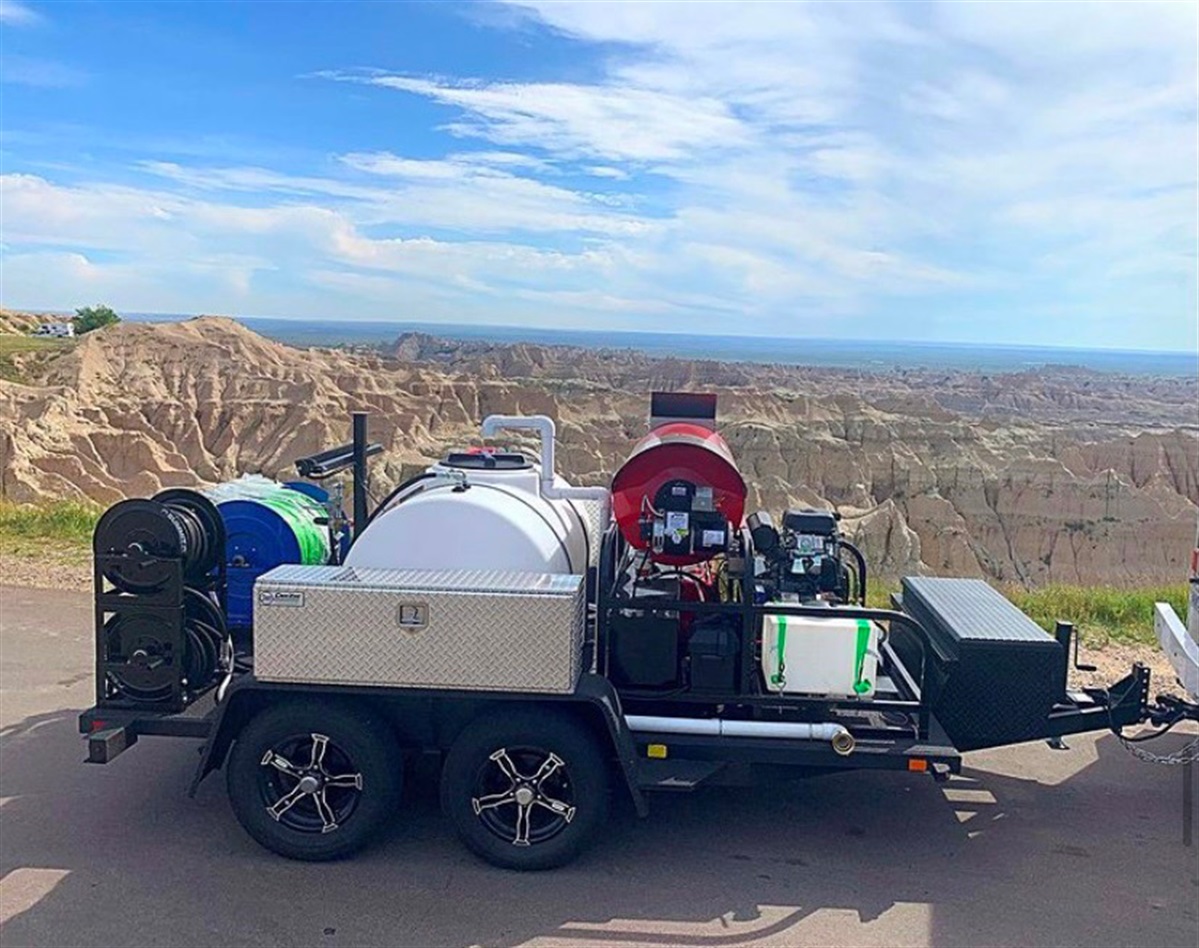
Pricing pressure washing jobs correctly is one of the most important skills for building a profitable business. Many contractors start by copying competitor pricing or using rough square foot estimates. While those methods can help with quick quoting, they rarely account for real operating costs or long term equipment investment.
A strong pricing strategy ensures you cover expenses, generate consistent profit, and build a business that can scale. This guide explains how to calculate job pricing based on your actual costs, not guesswork.
Start by Calculating Your True Hourly Operating Cost
Every pressure washing job should begin with understanding what it costs your business to operate for one hour. This number includes equipment, fuel, labor, and overhead expenses.
Equipment Cost Recovery
Your trailer and equipment are business assets that must be replaced over time. The best way to calculate this cost is to spread the investment across the expected working lifespan.
Equipment Cost Per Hour = Total Equipment Investment ÷ Estimated Working Hours
Most commercial pressure washing equipment lasts between 1,500 and 2,500 working hours depending on maintenance and usage. If your equipment costs $25,000 and lasts 2,000 hours, your equipment cost is $12.50 per hour.
Contractors running high efficiency trailer rigs often increase production speed and recover equipment costs faster. You can explore examples on the Mud Dog trailer lineup on our trailers page.
Fuel Cost Calculation
Fuel usage varies based on equipment size and hot water usage. The best approach is to test your machine during a typical job.
Fuel Cost Per Hour = Gallons Used Per Hour × Fuel Price
You can track fuel consumption by running your equipment for one hour and measuring fuel usage. The U.S. Energy Information Administration provides updated fuel pricing benchmarks.
Maintenance and Wear Costs
Maintenance includes oil changes, pump service, burner cleaning, and hose replacement. Track annual maintenance expenses and divide them by total yearly working hours.
Maintenance Cost Per Hour = Annual Maintenance Cost ÷ Annual Working Hours
Labor Cost Calculation
Even owner operators should include their own wages in job pricing. Labor costs should include hourly pay, payroll taxes, and insurance if employees are involved.
Many successful contractors target an owner wage between $30 and $50 per hour depending on market demand.
Determine Your Profit Margin
Profit should be built into pricing instead of treated as leftover revenue. Most established pressure washing businesses target profit margins between 20 percent and 40 percent.
Hourly Billing Rate Formula:
True Hourly Cost ÷ (1 − Desired Profit Margin)
If your hourly operating cost is $80 and you want a 30 percent margin:
$80 ÷ 0.70 = $114 hourly billing rate
This becomes your base production rate.
Convert Hourly Costs Into Job Pricing
Customers purchase completed services, not hourly labor. Estimating job time allows you to convert hourly cost into flat pricing.
Job Price Formula: Estimated Job Hours × Hourly Billing Rate
If a driveway requires two hours and your billing rate is $114 per hour, the job price becomes approximately $228.
Accurate job time estimation improves with experience and depends heavily on equipment capability. Higher GPM systems, larger tanks, and hot water reduce cleaning time. Contractors often see faster production using larger trailer systems, which allows them to complete more jobs daily without increasing labor costs.
Adjust Pricing for Job Complexity & Value
Not every project requires the same effort. Pricing should reflect difficulty, material usage and value to the customer. Common adjustment factors include heavy buildup, chemical requirements, travel distance, accessibility, and environmental compliance.
Profitable contractors review job performance regularly. After completing projects, track actual time, chemical usage, fuel consumption, and labor costs. Over time, these records allow you to refine estimates and improve profit consistency.
It is also important to consider value-based pricing as your jobs become more efficient. If you are only charging by the hour, eventually you will be hurt by how efficient you are. Just because you do a job faster and the same quality as someone else doesn’t mean you should charge any less.
The Role Equipment Plays in Profitability
Efficient equipment directly impacts pricing flexibility. Higher flow trailer systems allow contractors to complete jobs faster, reduce labor time, and increase daily revenue potential. Larger water capacity reduces refill interruptions, and hot water systems open opportunities for higher value commercial and industrial cleaning services.
Investing in professional trailer equipment often allows contractors to maintain competitive pricing while improving overall margins.
Build a Pricing Strategy That Supports Long Term Growth
Pricing pressure washing jobs correctly requires understanding your costs, tracking job performance, and using equipment that supports efficiency. Contractors who build pricing around production data instead of competitor guesswork typically scale faster and maintain healthier margins.
If you are ready to improve efficiency and increase job profitability, explore the full line of Mud Dog pressure washing trailers . You can also speak directly with our team and we can help you find a trailer setup that supports your business goals.