

How to Winterize Your Pressure Washer: A 6-Step Guide
March 17, 2026
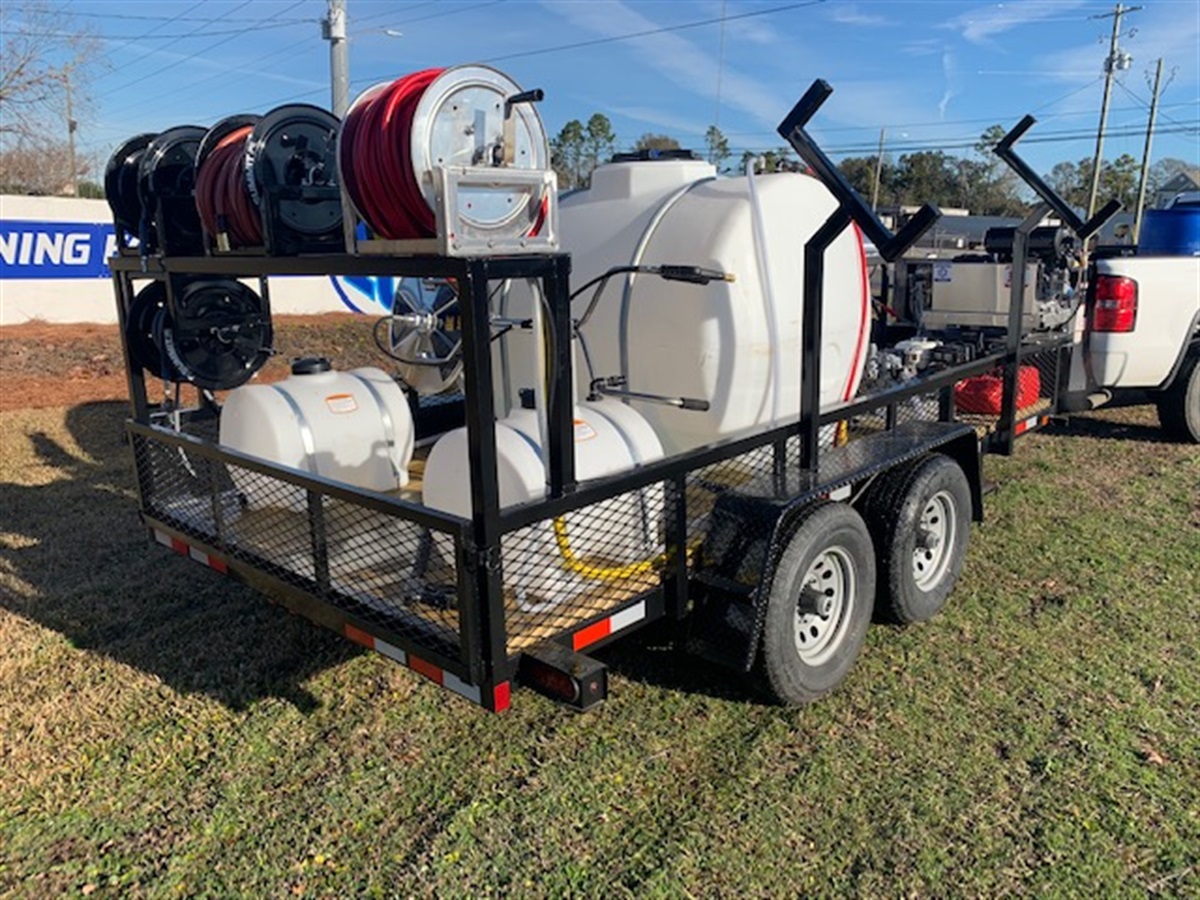
Winter is when a lot of pressure washing equipment gets damaged, not from use, but from neglect. Freezing temperatures, leftover water in the system, stale fuel, and moisture can all take a toll if equipment is not properly prepared. For business owners, winter damage often means repair bills, delayed startups in spring, or replacing equipment sooner than planned. Protecting your gear during the colder months is not complicated, but it does require being thorough and intentional.
This guide walks through practical steps to protect and maintain pressure washing equipment during winter so it is ready to work when the season picks back up, whether you are running a basic machine or a full pressure washer trailer setup .
Why Winter Protection Matters
Water expands when it freezes. Even a small amount trapped inside a pump, hose, or coil can crack metal components or split fittings.
Cold temperatures also affect fuel systems, seals, batteries, and hoses. Many spring startup problems can be traced back to winter storage issues rather than normal wear and tear.
Proper winter maintenance protects your investment, reduces downtime, and keeps your equipment reliable for the next season. This is especially true for trailer mounted systems, where damage to one component can affect the entire setup.
Remove All Water From the System
The most important step in winter prep is removing water from every part of the system. Any water left behind can freeze and cause damage.
Start by flushing the system with clean water to remove detergents and chemical residue. Soap left inside pumps or injectors can thicken over time and lead to clogs.
Once flushed, shut the machine off and relieve pressure by squeezing the trigger gun. Disconnect the water supply and spray hose. Hold hoses and wands vertically to drain them completely. Water often hides in low spots, hose reels, and fittings, so take your time during this step.
On gas units, pulling the recoil starter a few times with the spark plug wire disconnected can help push any remaining water out of the pump.
Hot water units need extra attention. The heating coil must be fully drained or protected, as freeze damage to a coil is expensive to repair. If you are running a hot water pressure washer trailer , winter protection is not optional.
Use Pump Saver or RV Antifreeze
Draining alone is often not enough in colder climates. Pump saver fluid or RV antifreeze adds an extra layer of protection by displacing remaining moisture and lubricating internal seals.
Connect a short hose to the pump inlet and place the other end in a container of pump saver or RV antifreeze. Briefly start the machine, or follow the product instructions, to pull fluid through the pump until it exits the outlet or trigger gun.
Make sure antifreeze reaches the pump, hoses, bypass loop, and any downstream injectors. If your setup includes a float tank or water tank, either drain it completely or protect it with antifreeze as well.
Use only non-toxic, pump-safe antifreeze products. Automotive antifreeze is not recommended for pressure washing equipment. For more detailed maintenance guidance, check out our blog for long term care and ownership best practices.
Prepare the Engine and Fuel System
Gas engines need special care before winter storage.
You have two solid options when it comes to fuel. One is to drain the fuel tank and run the engine until it stalls, which clears fuel from the carburetor and prevents gumming or corrosion. The other option is to fill the tank with fresh fuel and add a quality fuel stabilizer. If you use a stabilizer, run the engine briefly so treated fuel reaches the carburetor.
Change the engine oil before storage. Old oil contains moisture and contaminants that should not sit inside the engine all winter. Replace the oil filter if applicable and inspect the air filter for dirt or damage.
Inspect the spark plug and replace it if needed. Adding a small amount of engine oil or fogging oil to the cylinder can help protect internal surfaces during storage.
Disconnect or Maintain Batteries
If your equipment has an electric start or auxiliary battery, disconnect it for winter. Store the battery in a cool, dry place that stays above freezing. Check the charge periodically and use a maintainer if needed.
A discharged battery can freeze and fail, leading to unnecessary replacement costs in the spring.
Store Equipment Correctly
Indoor storage is ideal. A dry space that stays above freezing reduces stress on seals, hoses, and metal components. Keep equipment off cold concrete floors and away from direct heat sources.
If indoor storage is not available, elevate the equipment and use a weather resistant cover. Secure the cover while allowing some airflow to prevent condensation buildup. This is especially important for larger trailer mounted systems stored outdoors or in unheated buildings.
Always clean and dry the equipment before covering it. Dirt holds moisture and contributes to corrosion over time.
Inspect and Address Wear During Downtime
Winter is a good time to inspect equipment closely. Look for worn hoses, cracked fittings, leaking seals, or damaged spray guns. Replacing parts during the off season helps avoid rushed repairs when work picks back up.
Check pump oil if your unit uses it. Milky oil indicates water contamination and should be changed immediately. Lubricate fittings, grease O rings, and clean nozzles before storage.
Practical Takeaways
Protecting pressure washing equipment in winter comes down to a few fundamentals:
-
Remove all water from pumps, hoses, coils, and tanks
-
Use pump saver or RV antifreeze for freeze protection
-
Stabilize or drain fuel and change engine oil
-
Disconnect and maintain batteries
-
Store equipment clean, dry, and protected from freezing
-
Inspect and fix wear issues during downtime
These steps reduce repair costs and make spring startup smoother.
Winter Prep Is About Protecting Uptime, Not Just Equipment
Most pressure washing equipment does not fail because it was pushed too hard. It fails because it was left unprotected during downtime. Winter exposes weak points quickly, especially pumps, coils, hoses, and fuel systems.
Taking the time to drain water, protect internal components, and store equipment correctly is not busywork. It is how you avoid cracked pumps, frozen coils, and delayed startups when work returns. Whether you operate a single machine or manage multiple pressure washer trailers , the same principles apply.
When spring arrives, the goal is simple. Turn the key, pull the trigger, and get back to work without surprises.